A November Afternoon with Wang Hua at the Shanghai Camera and Photography Museum
In mid-November 2025, with Shanghai’s ginkgo trees blazing yellow against the light blue sky, we finally visited the Shanghai Camera and Photography Museum in Pudong’s Beicai Town. Hidden inside a quiet residential compound at No. 39, Lane 676, Wuxing Road, this unassuming four-story building is now the museum’s third and (Wang Hua hopes) permanent home.
In mid-November 2025, with Shanghai’s ginkgo trees blazing yellow against the light blue sky, we finally visited the Shanghai Camera and Photography Museum in Pudong’s Beicai Town. Hidden inside a quiet residential compound at No. 39, Lane 676, Wuxing Road, this unassuming four-story building is now the museum’s third and (Wang Hua hopes) permanent home.
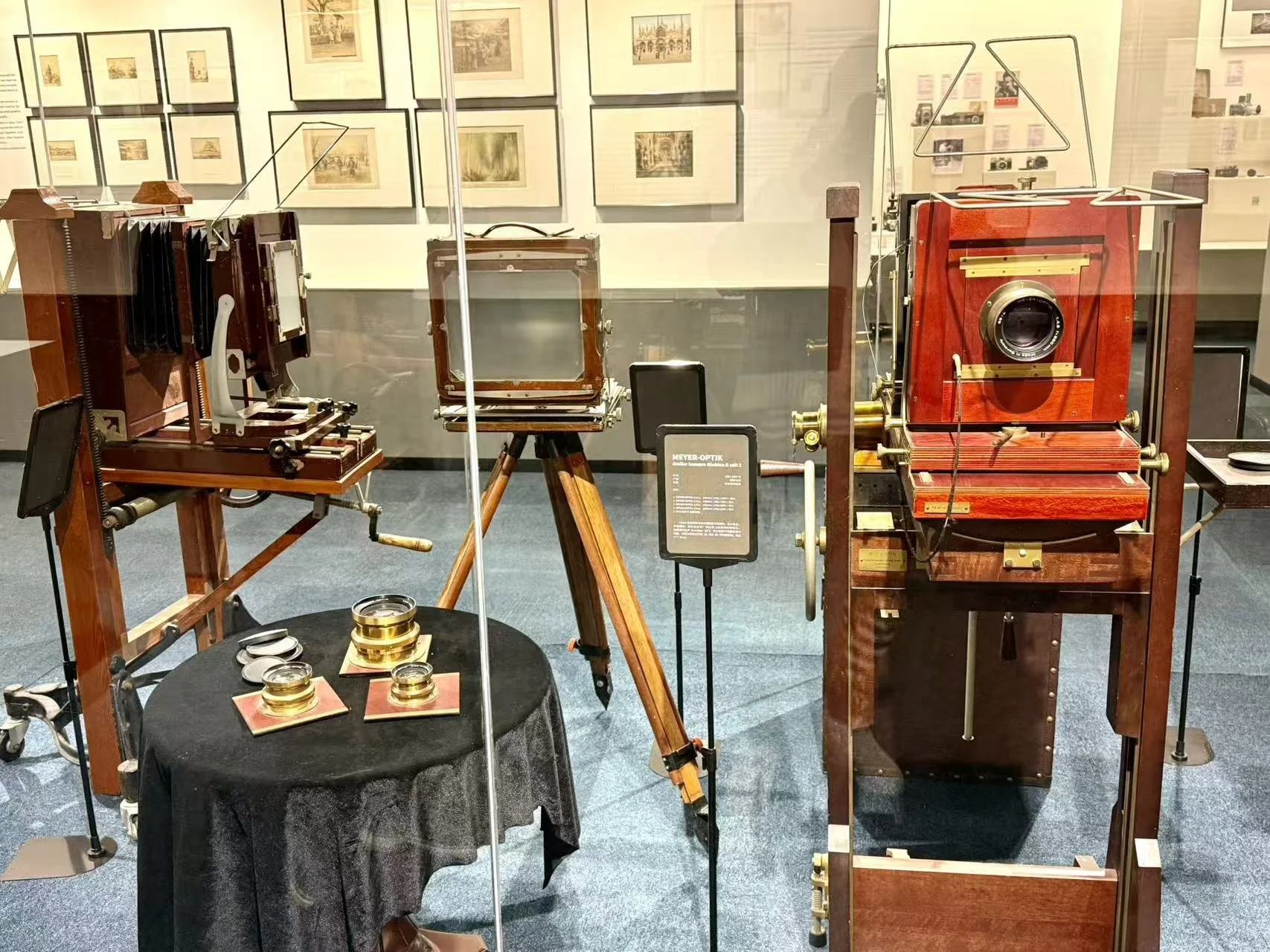
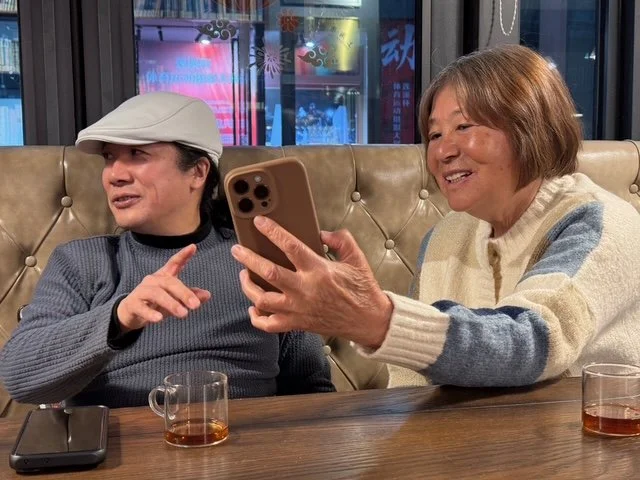
We had come to spend the afternoon with the museum’s founder, Wang Hua himself. The soft-spoken Shanghai native greeted us at the door with the same modest smile he’s apparently worn since 2012, when he first turned a personal hoard of a few dozen cameras into a tiny public exhibition. What started that year as a single-room passion project, barely advertised, funded entirely out of his own pocket, has grown beyond anything he imagined back then. The collection kept expanding, visitors kept coming, and the museum has already moved twice to larger spaces. This serene location in Beicai, opened a few years ago, is now home to thousands of pieces spread across four floors, yet Wang Hua still refers to it simply as “the new place.”
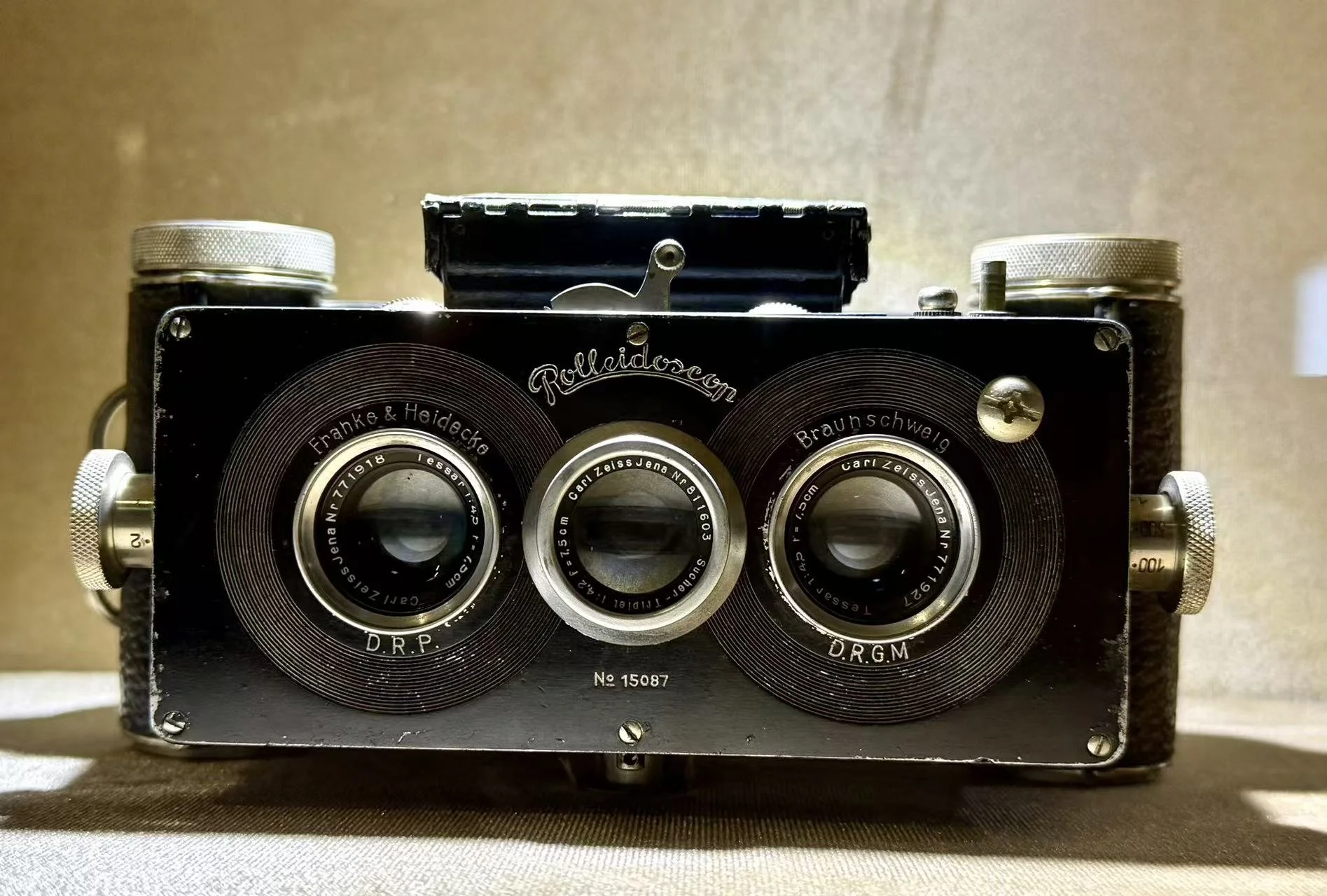
He suggested we begin, as he does with most guests, in the ground-floor library corner beside the little café with endless shelves of photography books. Wang Hua brought over a pot of fragrant Longjing and, because the afternoon was slipping toward evening, two of the museum’s excellent lattes, rich and slightly hazelnut-sweet, served in thick ceramic cups that feel like they belong to another era. For nearly an hour we sat there sipping tea and coffee while he traced the journey from that first cramped room in 2012 to the sprawling, light-filled space we were sitting in now.
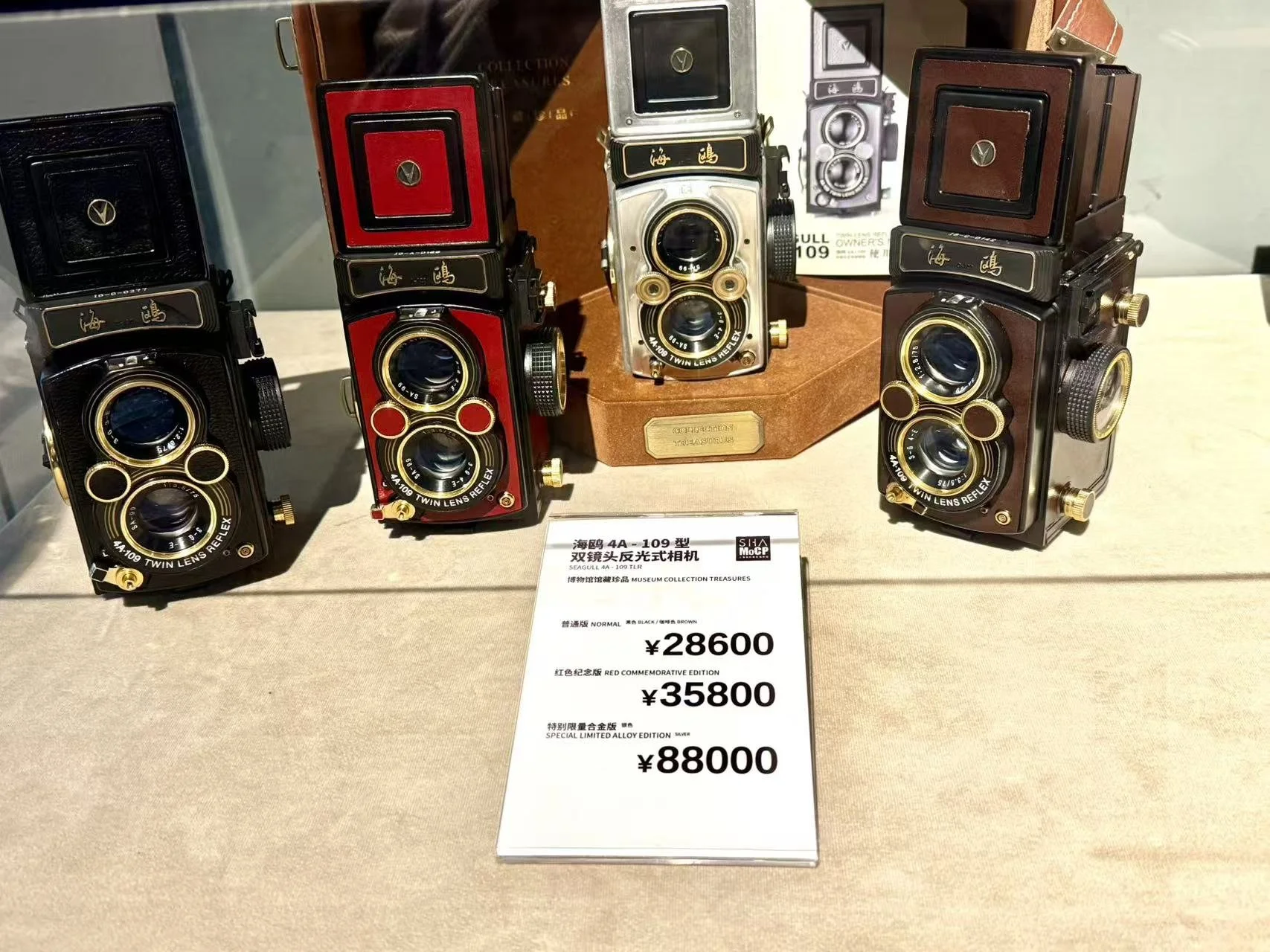
Only when the teapot was empty did he lead us upstairs, narrating the growth of his dream floor by floor.
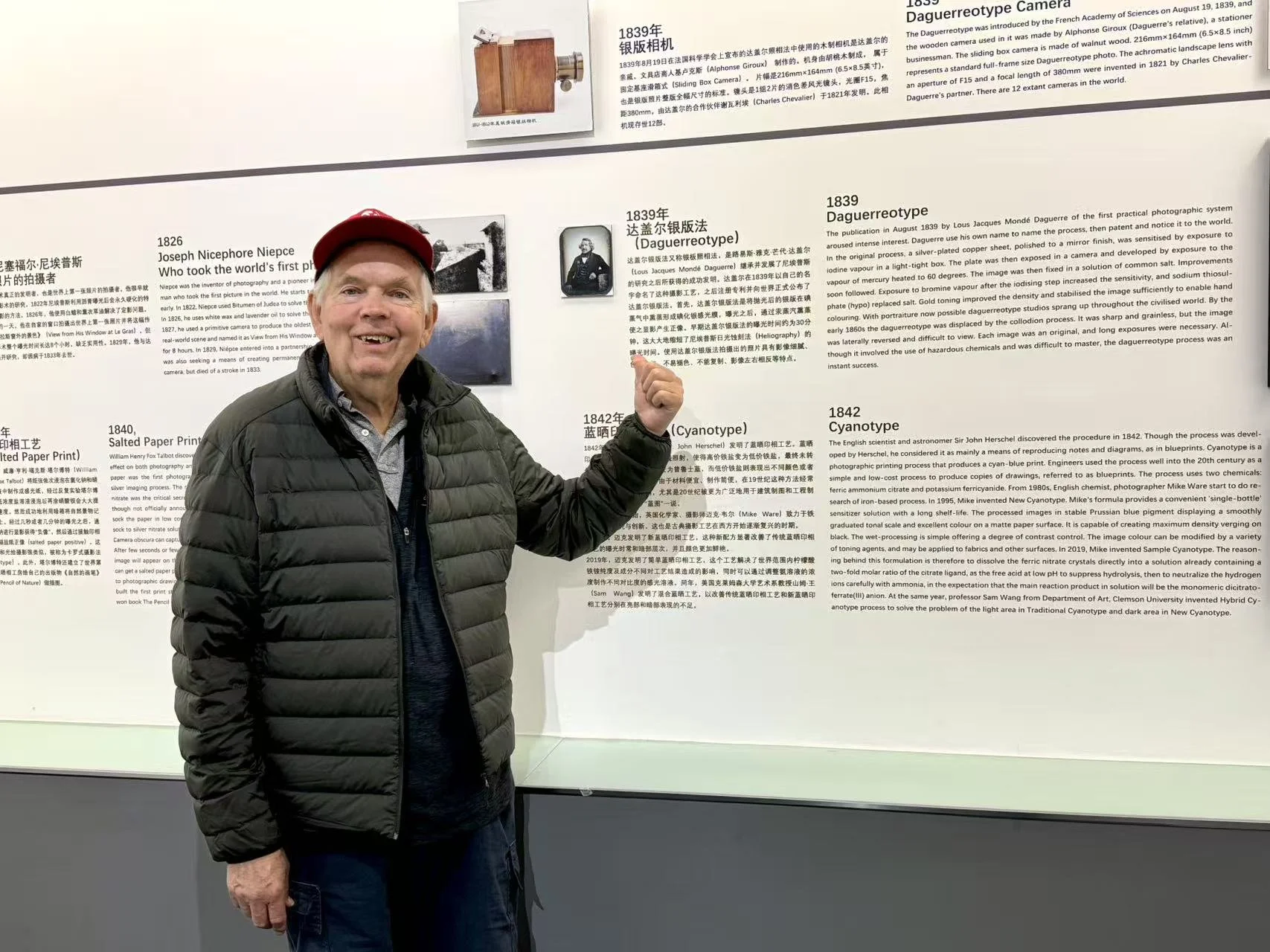
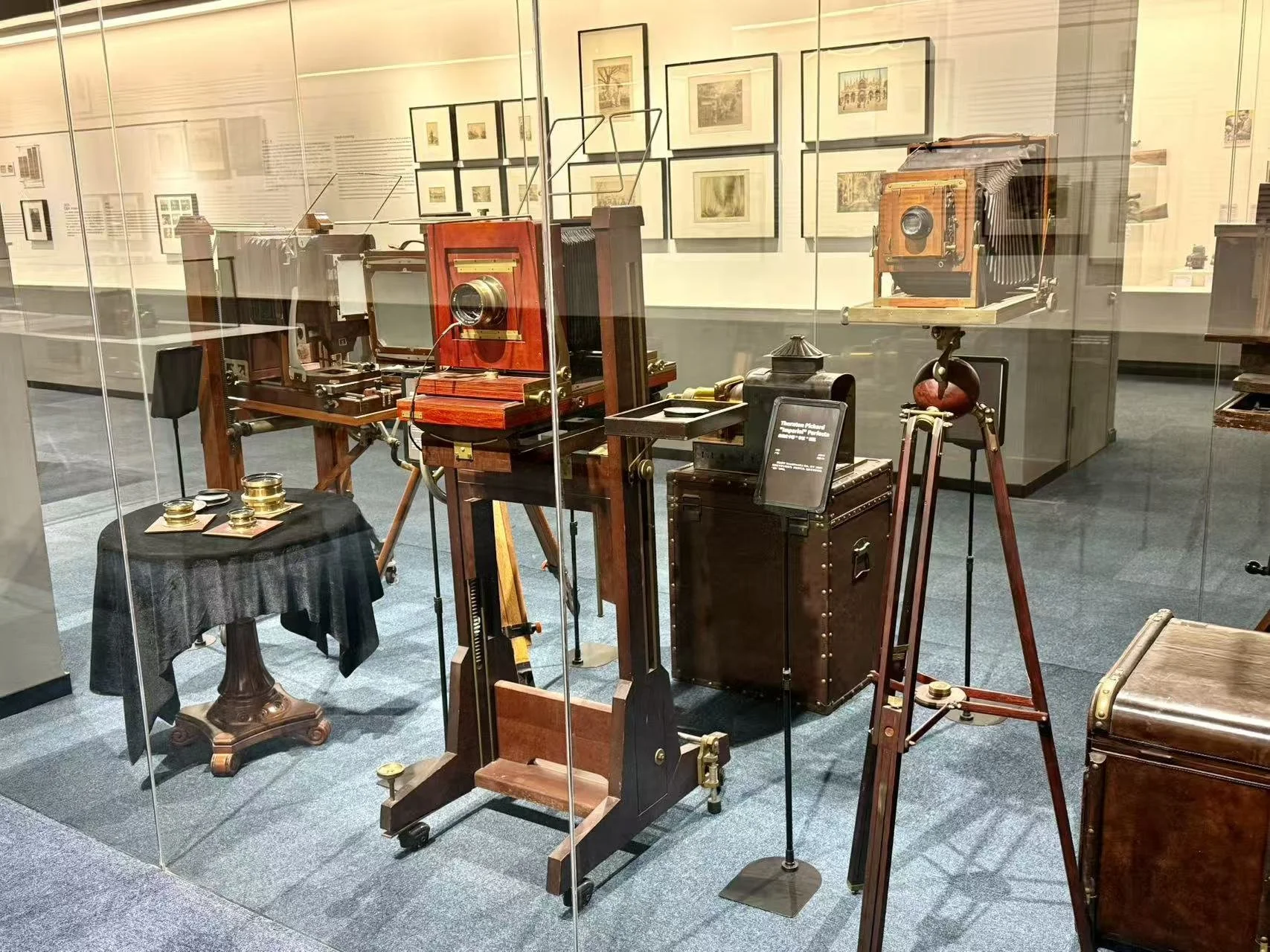
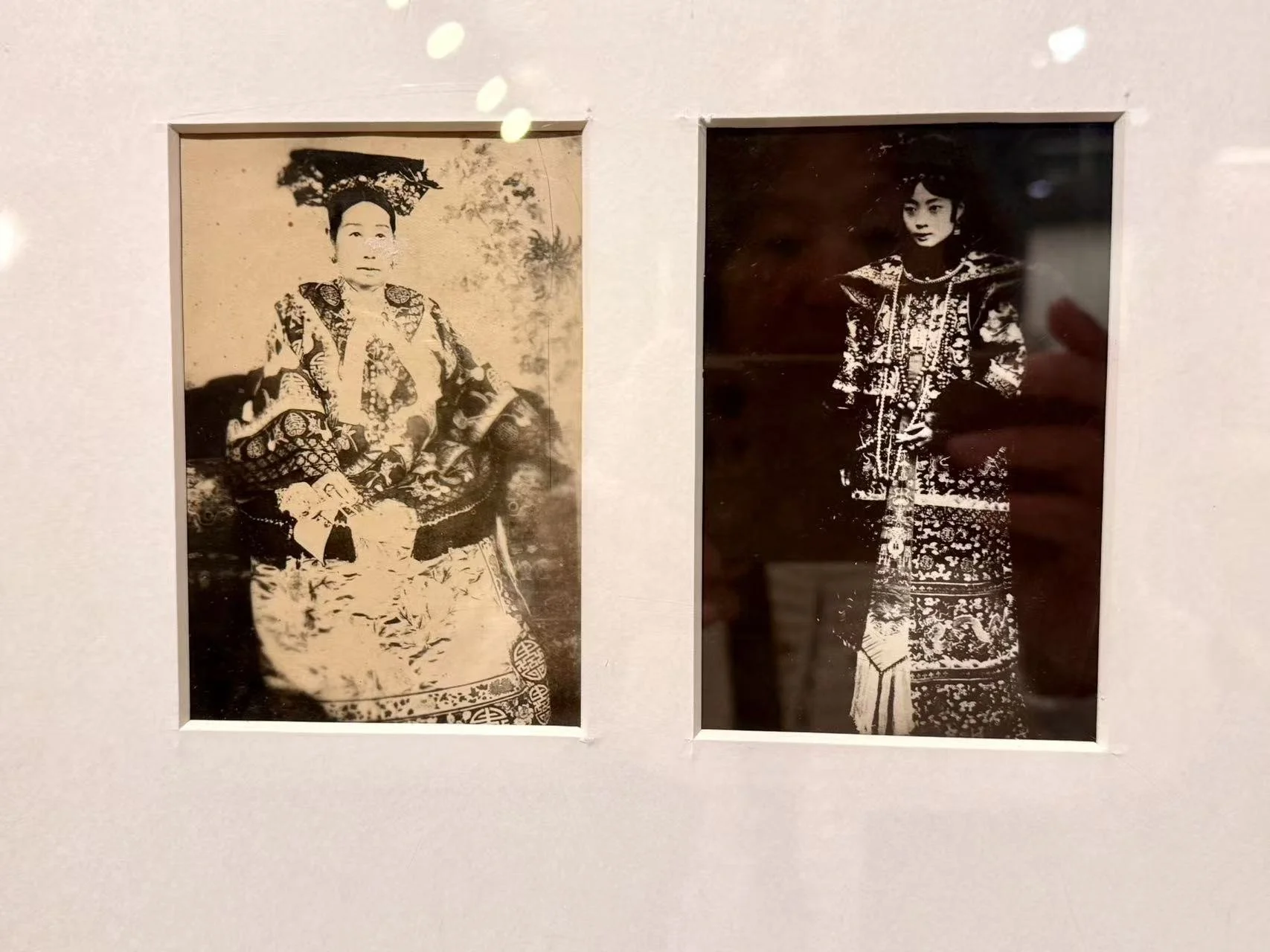
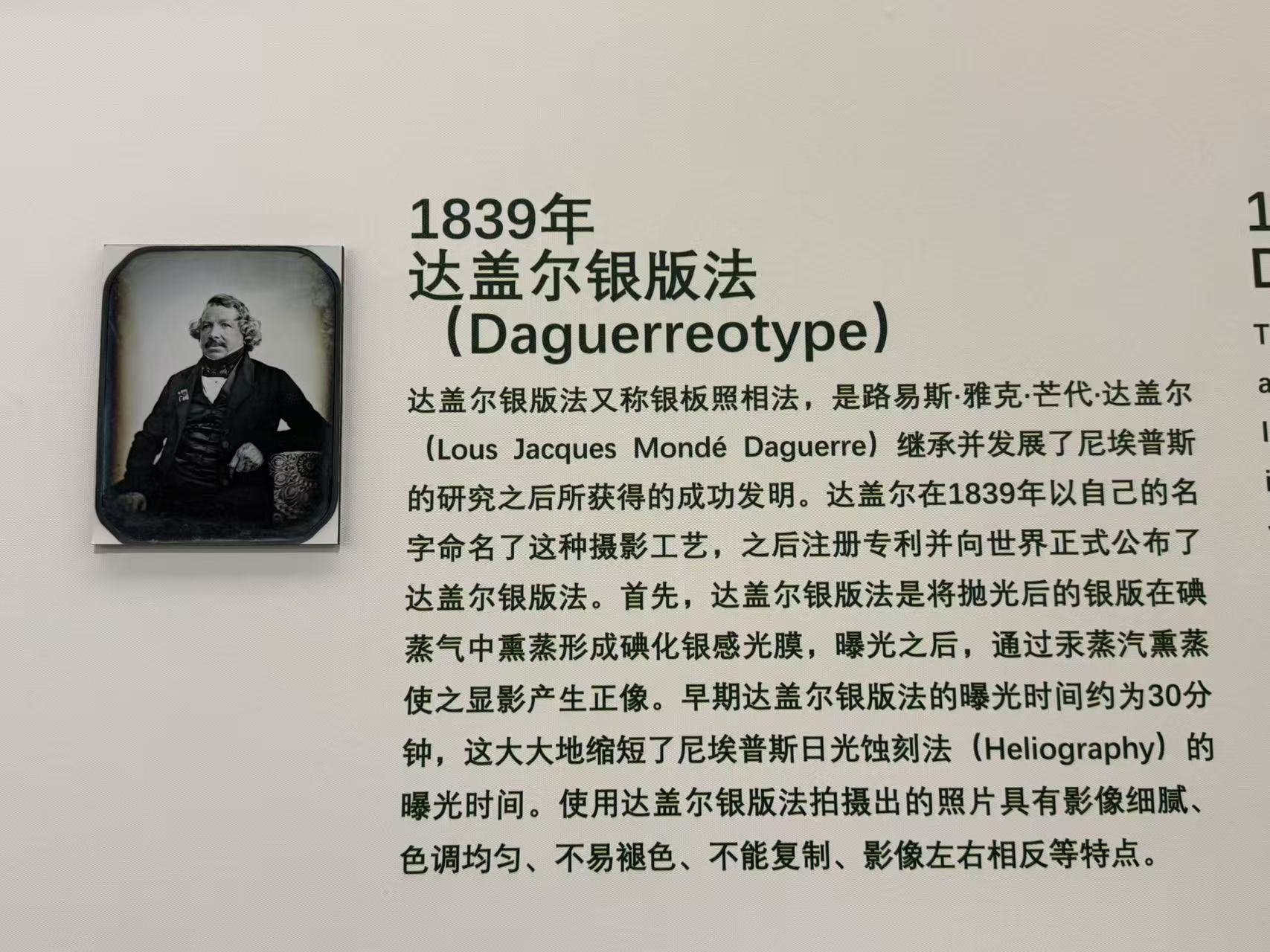
The second floor still tells the global story of photography’s birth, daguerreotypes, wet plates, early color experiments, with the same interactive cutaway cameras that delighted visitors even in the museum’s earliest days.
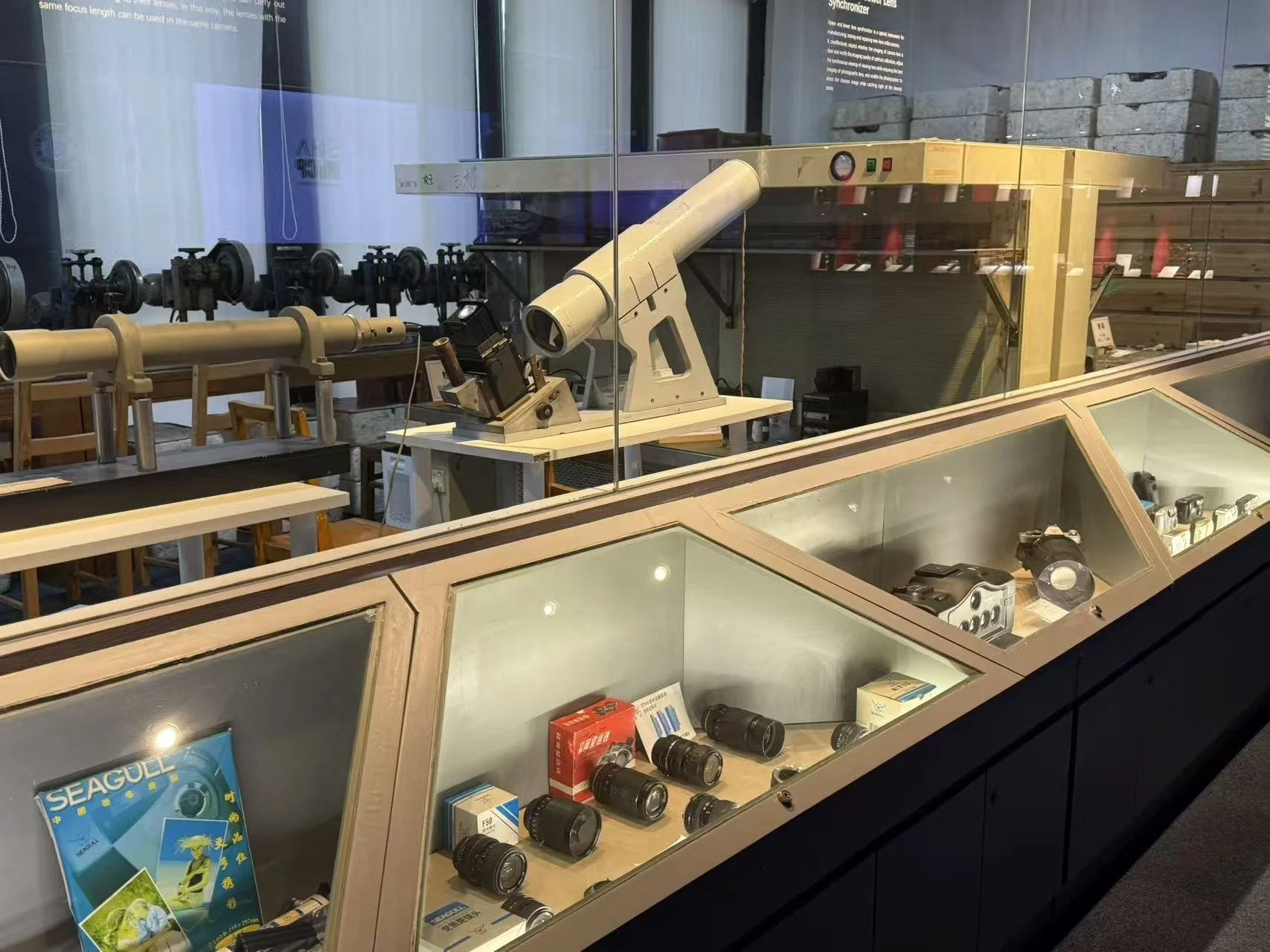
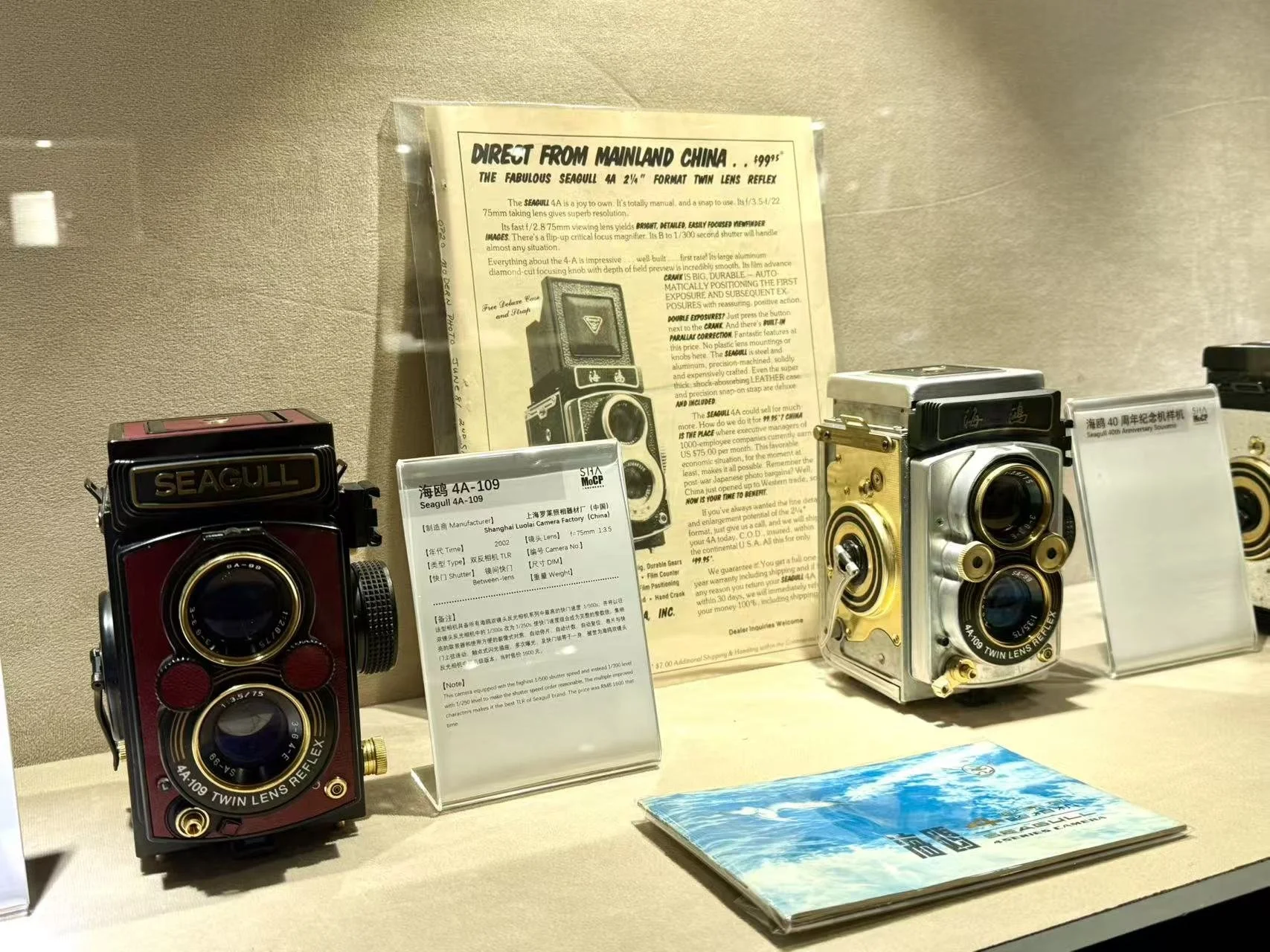
The third floor remains the emotional center: the preserved final assembly line of the Seagull 4A-109, surrounded by hundreds of Chinese cameras and rare prototypes.
Up on the fourth floor, the working darkroom and studio hummed with possibility.
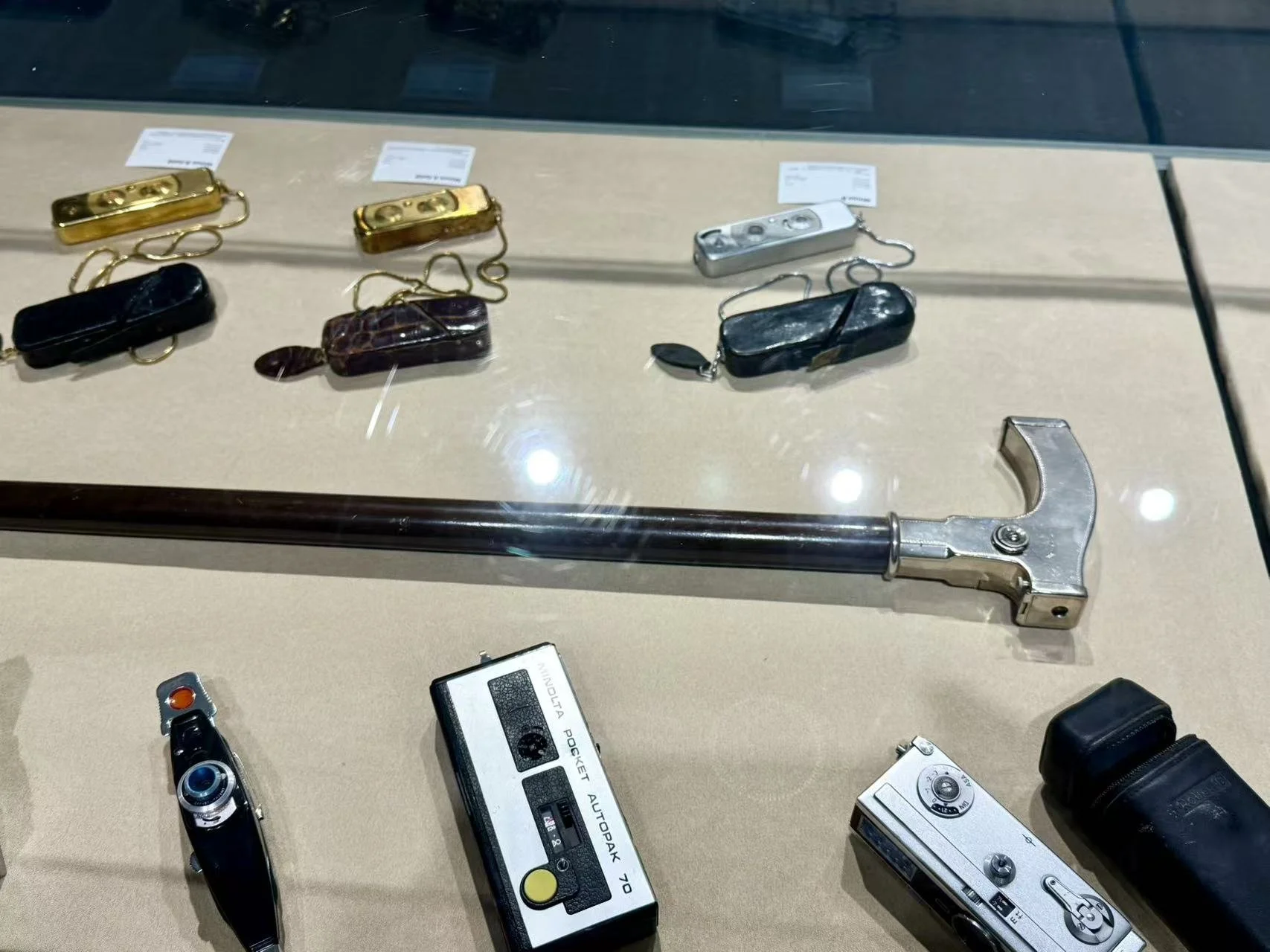
By dusk we were back in the café corner over a second latte, flipping through more photography books. Wang Hua looked around the room, at the shelves now overflowing, at the tables filled with quiet readers, and shook his head in gentle disbelief. “From one room to this,” he said, raising his cup. “Thirteen years, three homes, and still the same reason: so, no one forgets how beautiful a mechanical click can be.”
We left carrying the warmth of good tea and perfect coffee, and the quiet certainty that some collections, like certain kinds of light, are meant to keep growing.
Practical Info:
Address: No. 39, Lane 676, Wuxing Road, Beicai Town, Pudong New Area
Open: Tuesday–Sunday 10:30–17:00
Admission: Free
Website (Chinese only): shamocp.com